Infrared Heaters for Textile Drying & Heat Setting
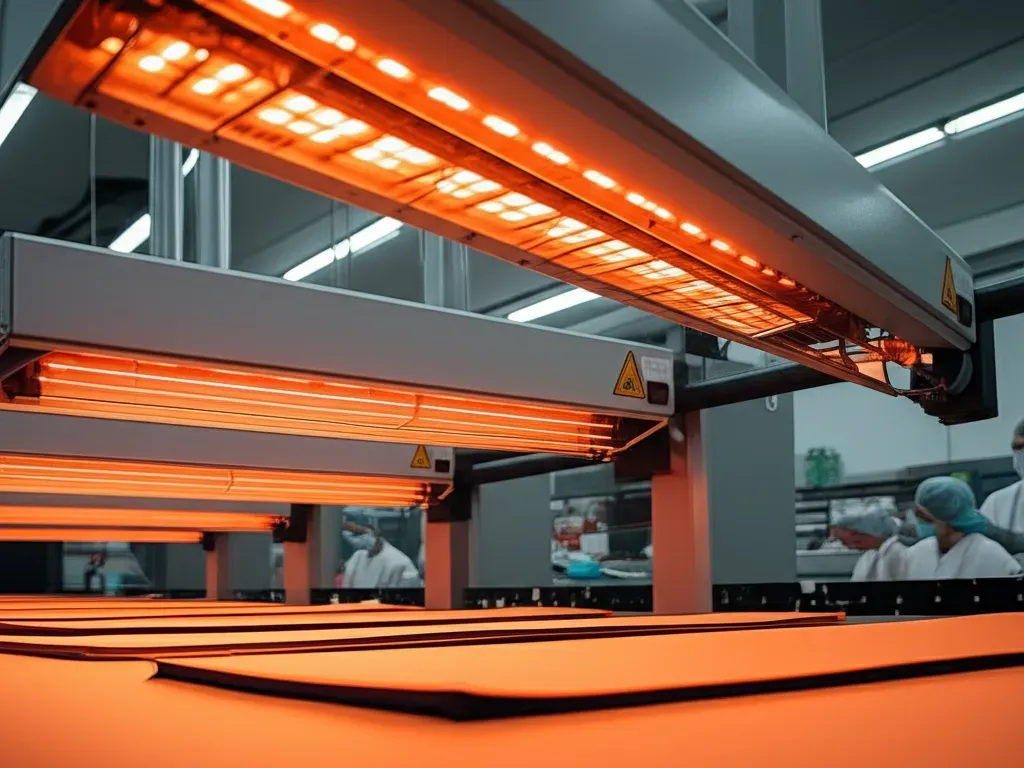
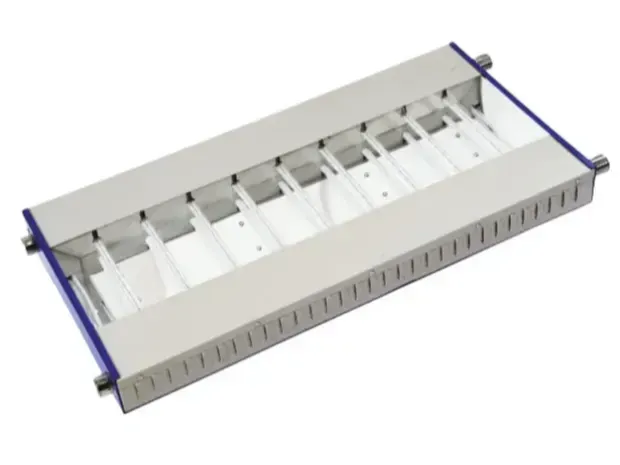
Infrared pre-drying and drying that removes moisture evenly across the fabric width.
Why textiles are dried with infrared
After dyeing, padding or coating, fabrics carry a lot of water. If the fabric goes straight into a hot-air stenter, the water moves towards the surface as it dries and carries dye with it, which causes shading and uneven colour (dye migration). An infrared pre-dryer removes moisture quickly and evenly across the full width, fixing the dye in place before the stenter.
- Even moisture removal across the fabric width
- Less dye migration and shading
- Higher line speed through faster pre-drying
- Non-contact heating, gentle on delicate fabrics
The right emitter for wet fabric
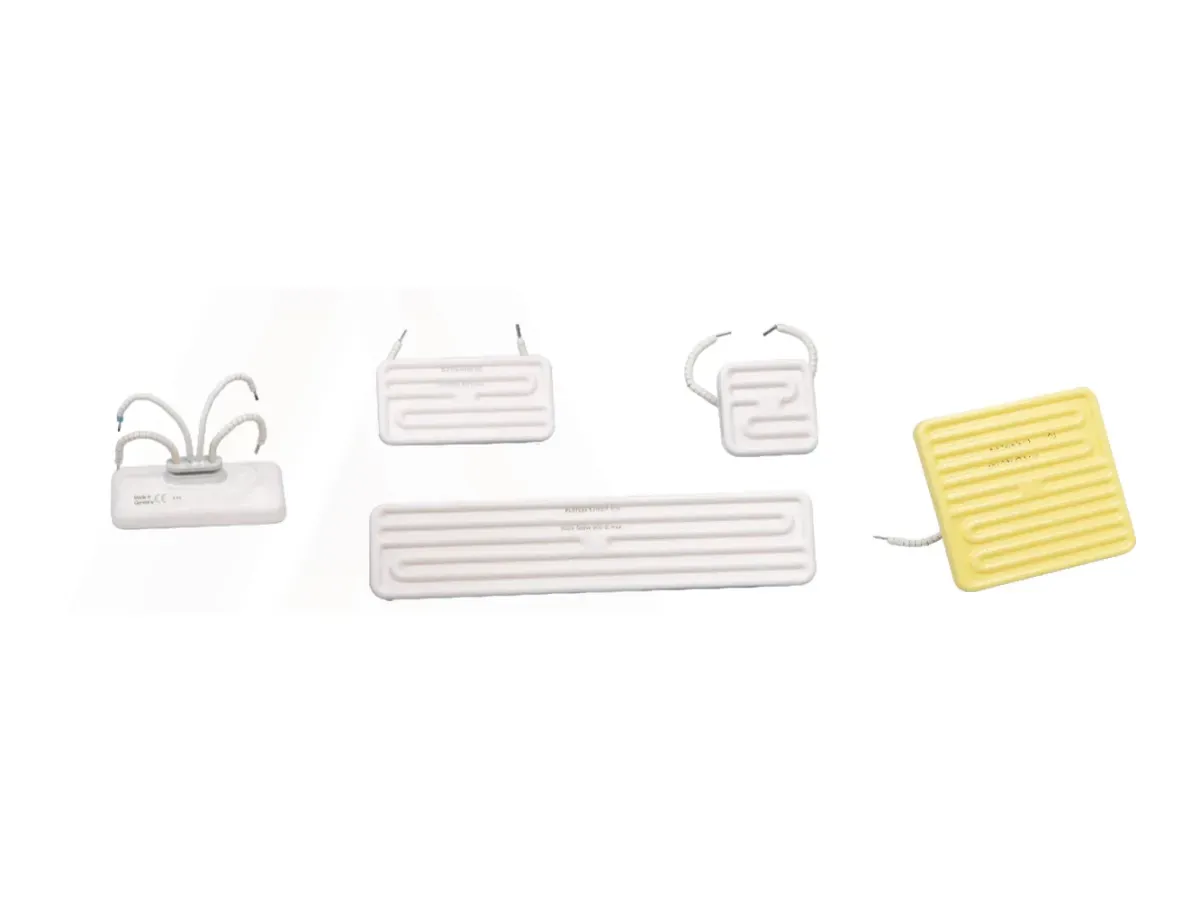
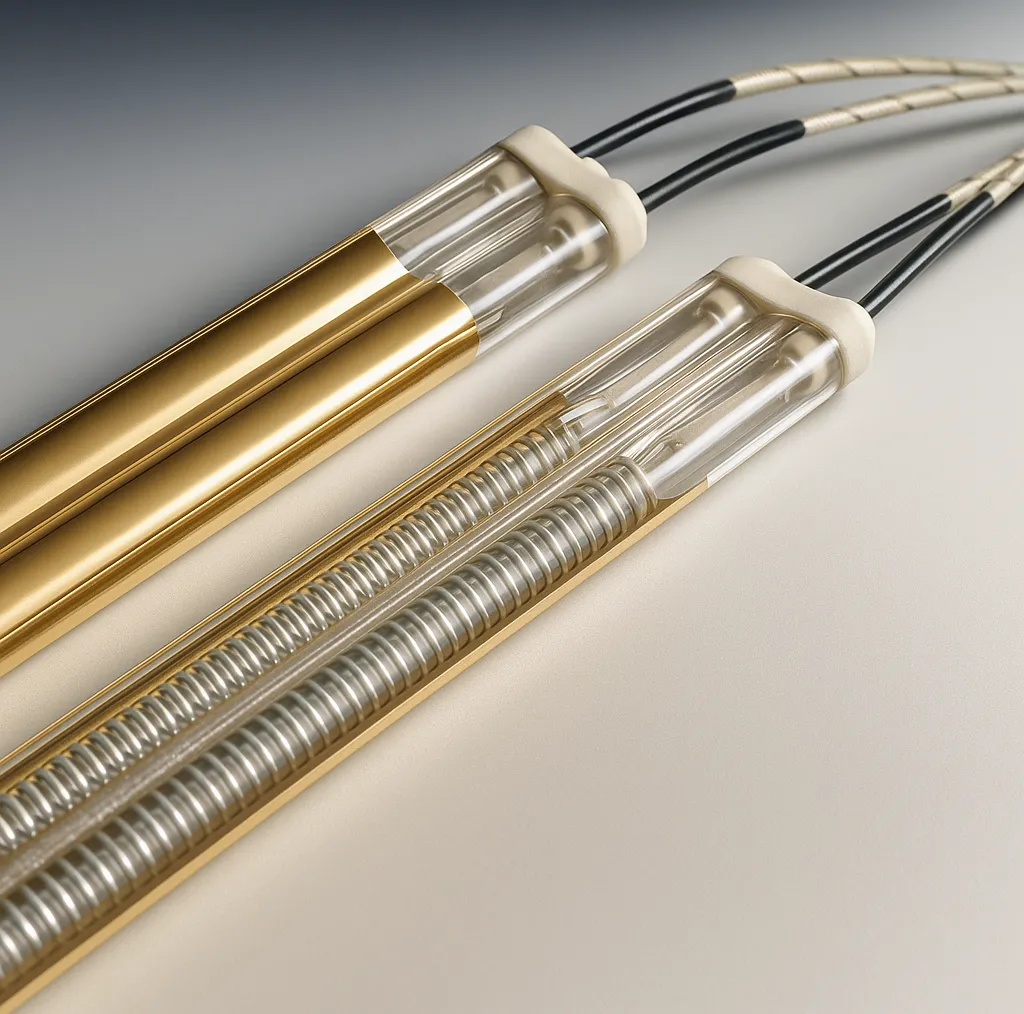
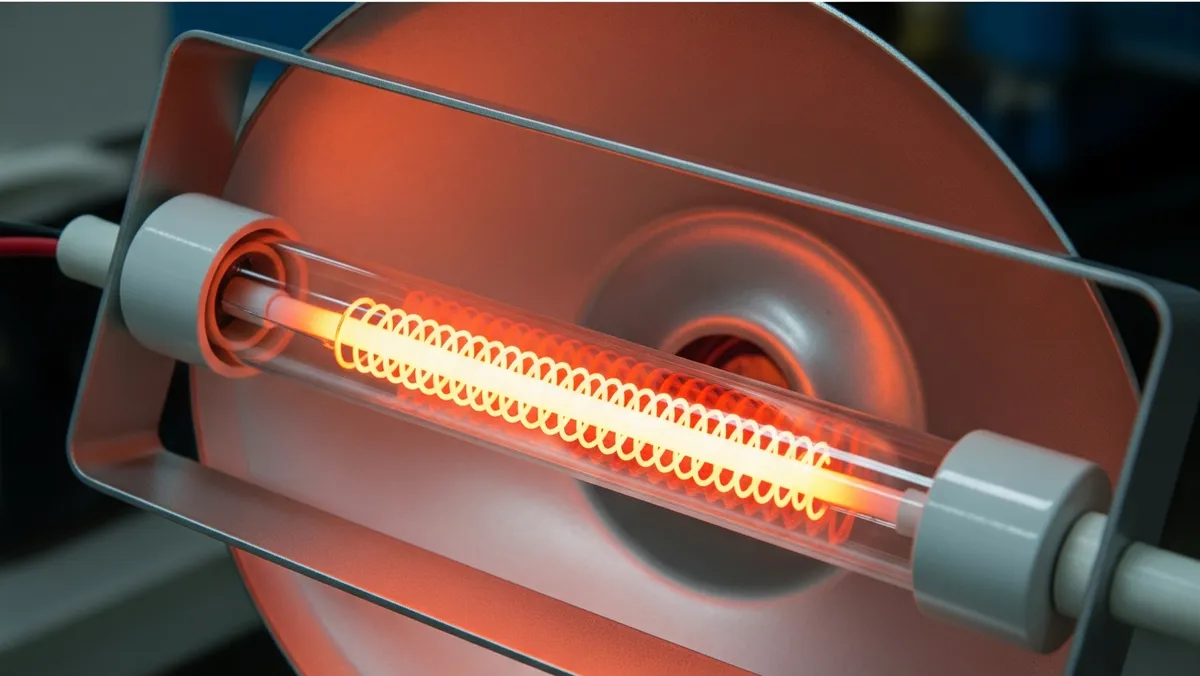
Water absorbs infrared most strongly at around 3 µm and 6 µm, so medium wave and ceramic emitters are absorbed very efficiently by wet textiles. Medium wave quartz emitters react within about a minute and suit lines where power must follow the fabric speed; ceramic emitters give very even, robust heating for continuous operation.
Applications in textile finishing
Typical uses of infrared in textile and nonwoven lines include:
- Pre-drying after pad dyeing and impregnation
- Drying and curing of coatings, backings and laminates
- Heat setting and shrinkage control of synthetic fabrics
- Curing of screen-printed inks on garments
- Drying of nonwovens and technical textiles
Which infrared heater fits?
| Heater type | Wavelength & response | Best for |
|---|---|---|
| Ceramic (IR-C, long wave) | Peak about 3–5 µm, heats up in several minutes | Even, continuous drying and heat setting |
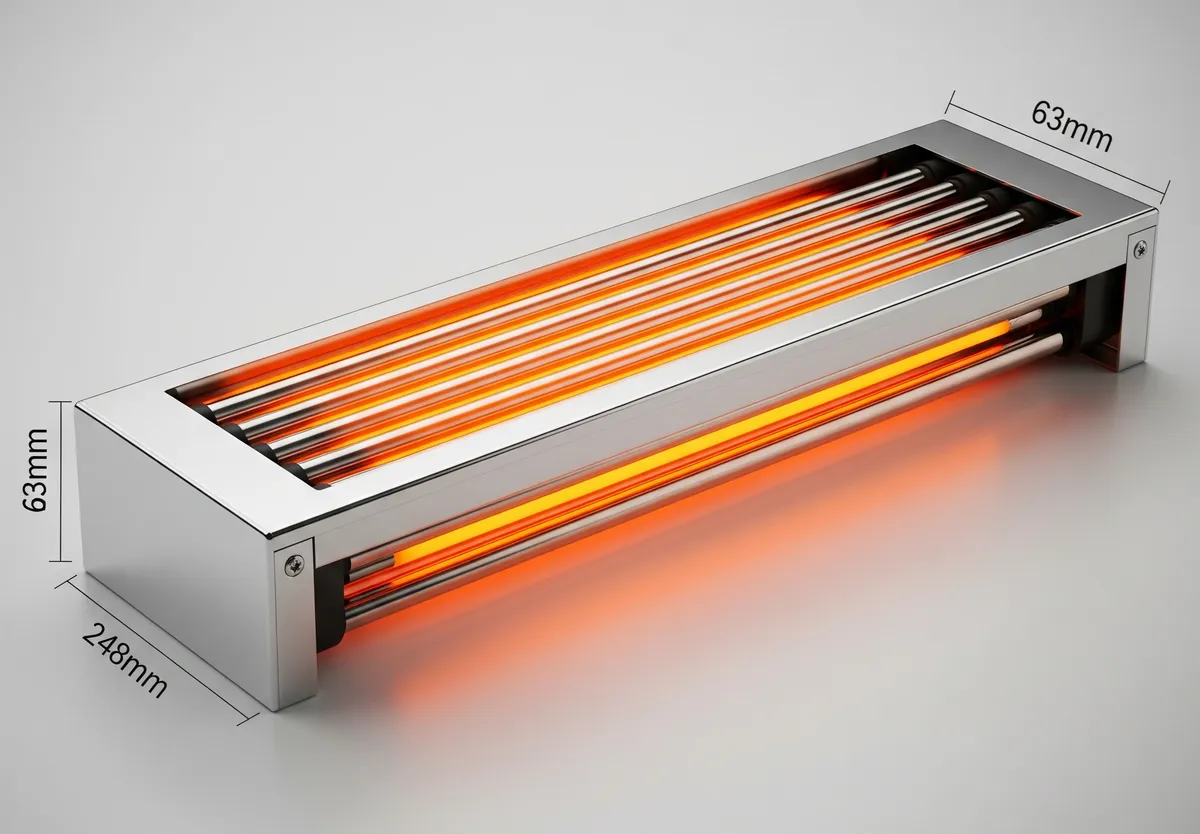
| Medium wave quartz (IR-B) | Peak about 2.4–2.8 µm, full power in about a minute | Pre-drying where power must follow line speed |
| Carbon / fast medium wave | Peak about 2 µm, full power in 1–2 s | Fast-responding drying of lightweight fabrics |
| Shortwave quartz (IR-A) | Peak about 1.0–1.4 µm, full power in 1–2 s | Heavy fabrics and coatings with high power demand |
Wavelengths are typical values for each emitter type.
Recommended products
Frequently asked questions
What is infrared pre-drying in textile finishing?
A short infrared zone after the padder that removes moisture quickly and evenly across the fabric width, which prevents dye migration before the fabric enters the stenter.
Which infrared heaters are best for drying wet fabric?
Medium wave and ceramic infrared heaters, because water absorbs strongly at the wavelengths they emit.
Can infrared be added to an existing stenter line?
Yes. Infrared pre-dryers are compact and are commonly installed between the padder and the stenter.
Is infrared safe for synthetic and delicate fabrics?
Yes, when power is controlled to the fabric speed and the emitters are switched off or shielded when the line stops.
Related
Other applications
Tell us about your process
Share the material, line speed and the heater or lamp you use today. Our engineers in Chennai will recommend the right infrared solution.