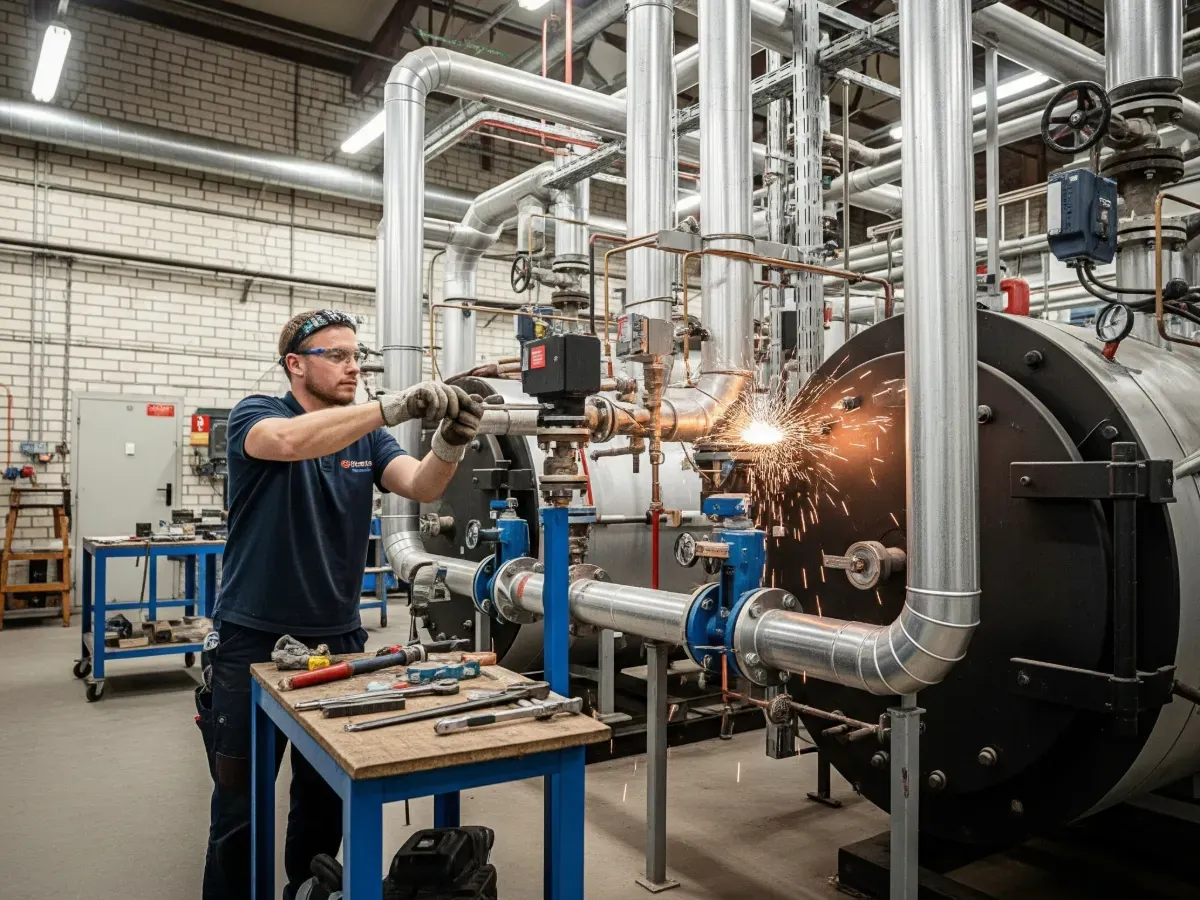
Considering an Industrial Heating System Upgrade? The initial investment in an industrial heating system upgrade may seem substantial. However, the long-term benefits—increased efficiency, reduced energy costs, higher product quality, and improved operational reliability—can dramatically impact your bottom line. This guide provides a comprehensive framework for calculating the return on investment (ROI), enabling data-driven decisions that optimize your facility's performance and profitability. Aura Heat Energy understands the complexities of industrial heating and is committed to helping you find the most efficient and cost-effective solutions. Understanding Your Current Heating Costs Before calculating ROI, you need a clear picture of your current operational expenses. This requires more than simply reviewing your energy bills. Gather comprehensive data across these key areas: Energy Consumption: Analyze energy consumption patterns over at least 12 months. Identify peak usage times and average daily/monthly consumption. Accurate metering and data logging are crucial for comparing current and projected usage.
Maintenance Costs: Calculate total maintenance costs, including repairs, parts, and preventative maintenance contracts. Factor in downtime caused by system malfunctions. These costs often escalate with aging systems.
Production Downtime: Estimate the cost of production downtime attributed to heating system issues. This includes losses due to system failures, insufficient heating, or unscheduled maintenance. This is often a hidden, significant cost.
Raw Material Costs: Quantify raw material waste or degradation due to heating inefficiencies. Uneven heating can cause defects, requiring rework and increasing production costs. Identifying Potential Savings with an Upgrade Once you understand your current costs, evaluate the potential savings of a new system. This necessitates careful consideration of the specific upgrade. Aura Heat Energy offers various high-efficiency solutions, such as shortwave infrared heaters, UV lamps, ceramic heaters, and quartz heaters, each offering unique benefits based on your application.
Energy Efficiency: Research the energy efficiency rating of potential upgrades. Look for improvements expressed as a percentage reduction or energy units saved per production unit. Aura Heat Energy's shortwave infrared heaters, for example, offer significant energy savings due to rapid heat-up times and precise control. Our Short Wave Infrared Carbon Heaters provide optimized penetration, combining short-wave speed with effective medium-wave depth for highly efficient material heating.
Reduced Maintenance: Analyze projected maintenance costs for the new system. Modern systems often require less frequent maintenance, reducing labor and parts costs. Aura Heat Energy products are designed for robust operation in demanding industrial environments, minimizing downtime and maintenance.
Improved Productivity: Estimate potential productivity increases. Faster heating cycles and reduced downtime translate to higher production output. This is crucial in applications like paint curing and plastics processing. Our Ruby Red Colour Infrared Heaters, for example, offer instantaneous heat delivery and rapid response, optimizing production flow.
Enhanced Product Quality: Evaluate potential improvements in product quality from more precise temperature control and consistent heating profiles. Fewer defects mean less waste and rework, directly impacting your bottom line. Calculating the ROI The ROI formula is simple: ROI = (Net Profit / Total Investment) x 100%
1. Calculate Annual Savings: Add annual savings from reduced energy consumption, lower maintenance, increased productivity, and improved product quality.
2. Determine Total Investment: This includes the new system's purchase price, installation, and associated expenses.
3. Calculate Net Profit: Subtract the total investment from the cumulative annual savings over the system's projected lifespan.
4. Calculate ROI: Apply the formula above. A higher ROI indicates a more financially sound investment.
5. Consider Payback Period: This is the time it takes for cumulative savings to equal the initial investment. A shorter payback period is generally preferable.
Practical Tips and Best Practices
Conduct a thorough energy audit to establish an accurate baseline.
Obtain multiple quotes from different vendors.
Explore potential government grants and incentives for energy efficiency upgrades.
Consider long-term operating costs (energy, maintenance, repairs).
Include a contingency buffer in your calculations for unforeseen costs.
Work with an experienced provider like Aura Heat Energy for expert guidance and support.
Conclusion and Call to Action Upgrading your industrial heating system is a significant decision. By carefully analyzing costs, projecting savings, and accurately calculating ROI, you can make an informed choice that enhances profitability and sustainability. The benefits often outweigh the initial investment. Aura Heat Energy provides cutting-edge solutions and expert support to help you achieve significant ROI. Contact us today for a free consultation and let us help optimize your system for peak performance and profitability.