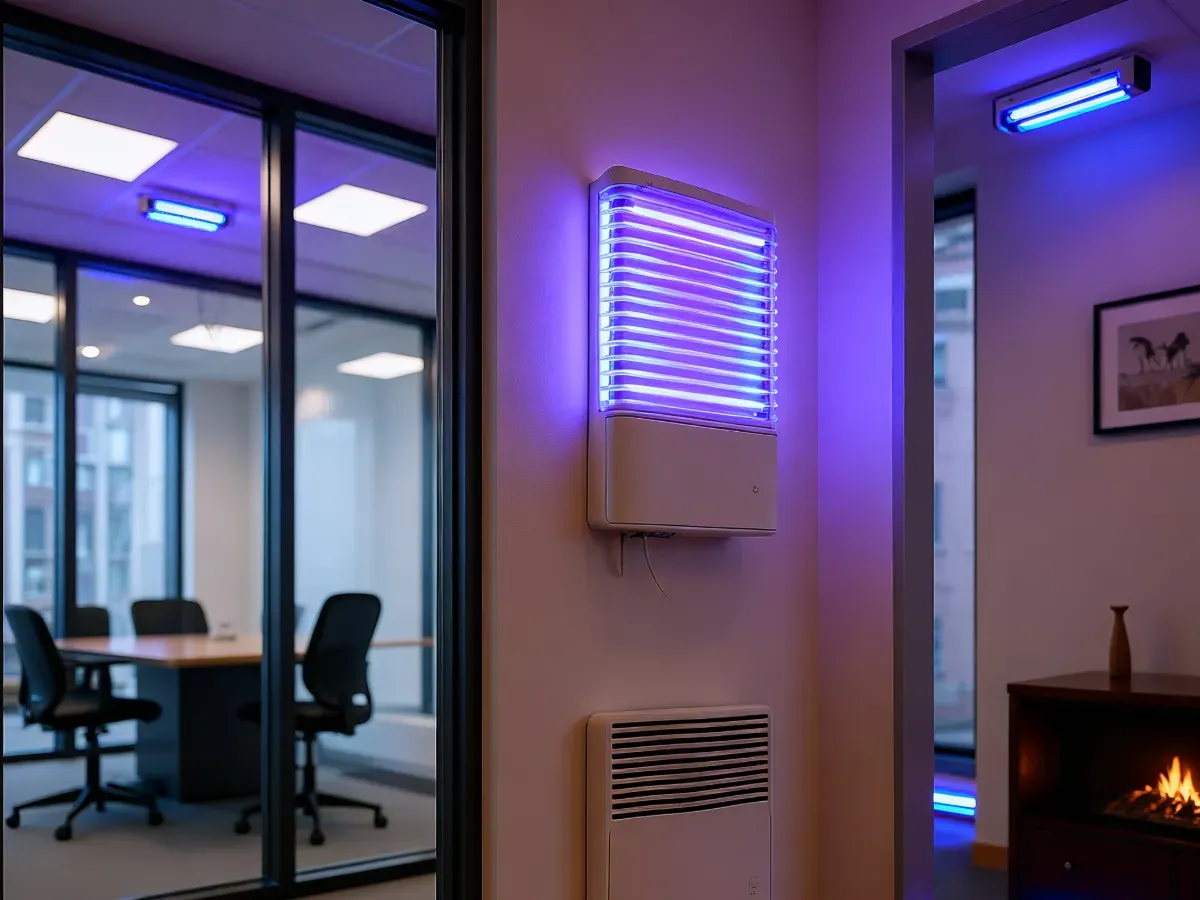
The most potent germicidal properties are found in the UVC spectrum (200-280 nm), which is capable of inactivating microorganisms by damaging their DNA and RNA, rendering them unable to reproduce and cause disease. This has led to its widespread adoption in:
Water Purification: UVC lamps are used in residential, municipal, and industrial water treatment to disinfect drinking water, wastewater, and process water. It is a chemical-free method that is highly effective against a wide range of pathogens, including those resistant to chlorine, such as Cryptosporidium and Giardia.
Air Purification: Integrated into HVAC systems, standalone air purifiers, and upper-room fixtures in hospitals and public spaces, UVC lamps neutralize airborne viruses, bacteria, and mold spores, significantly improving indoor air quality and reducing the transmission of infectious diseases.
Surface Sterilization: UVC technology is critical for sterilizing surfaces in hospitals, laboratories, and food processing plants. Automated UVC robots and handheld devices are used to disinfect patient rooms, surgical equipment, and food contact surfaces, helping to prevent healthcare-associated infections and foodborne illnesses.